

If your home was engineered in the 1920s, the likelihood is it’s got cavity walls. And unless it absolutely was engineered inside the last twenty years, those cavities are most likely empty. If so, filling them with wall insulation may well be awfully cost-efficient thanks to retaining heat in your home and save on your energy bills.
Around a simple fraction of the warmth loss from most homes is through the Cavity walls. In fact, in keeping with figures from the Energy Saving Trust web site, Cavity Wall Insulation may get itself inside within five years.
What is Cavity Wall?
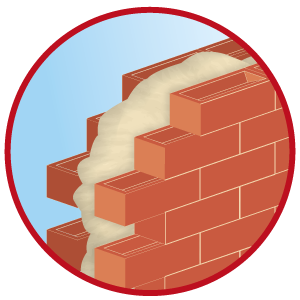
The cavity is found between the inner and outer masonry of the property. A wall is created of 2 separate skinny walls typically engineered of brick and referred to as ‘skins’ or ‘leaves’ with a spot or cavity between them. They typically control along with metal wall ties. The external wall of a home is created of 2 masonries brick or block, walls, with a cavity (gap) of a minimum of 50mm between. Metal ties be a part of the 2 walls along.
How to check if you’ve got Cavity Walls?
the age of your house is the primary clue. …


